
Goldrake, Mazinga Z, Jeeg Robot, Captain Harlock — the anime robots and cartoons of the 80s and 90s that shaped an...
Latest posts
-
 80s and 90s Anime Robots — The Nostalgia That Never FadesRead more
 -
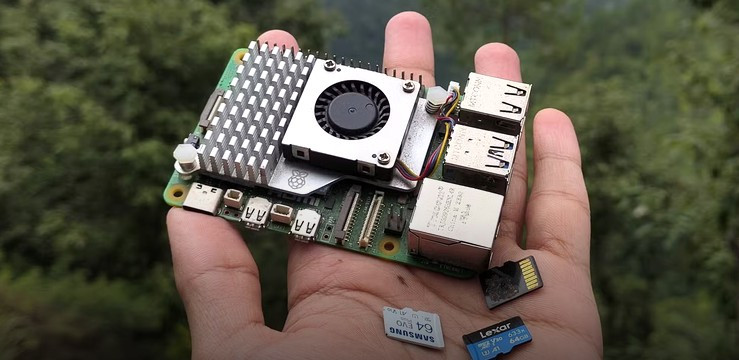 microSD Backup and Restore for Raspberry Pi — Batocera and RetroPieRead more
Running Batocera or RetroPie on your Raspberry Pi and want to protect your setup? Creating a microSD backup is simple...
-
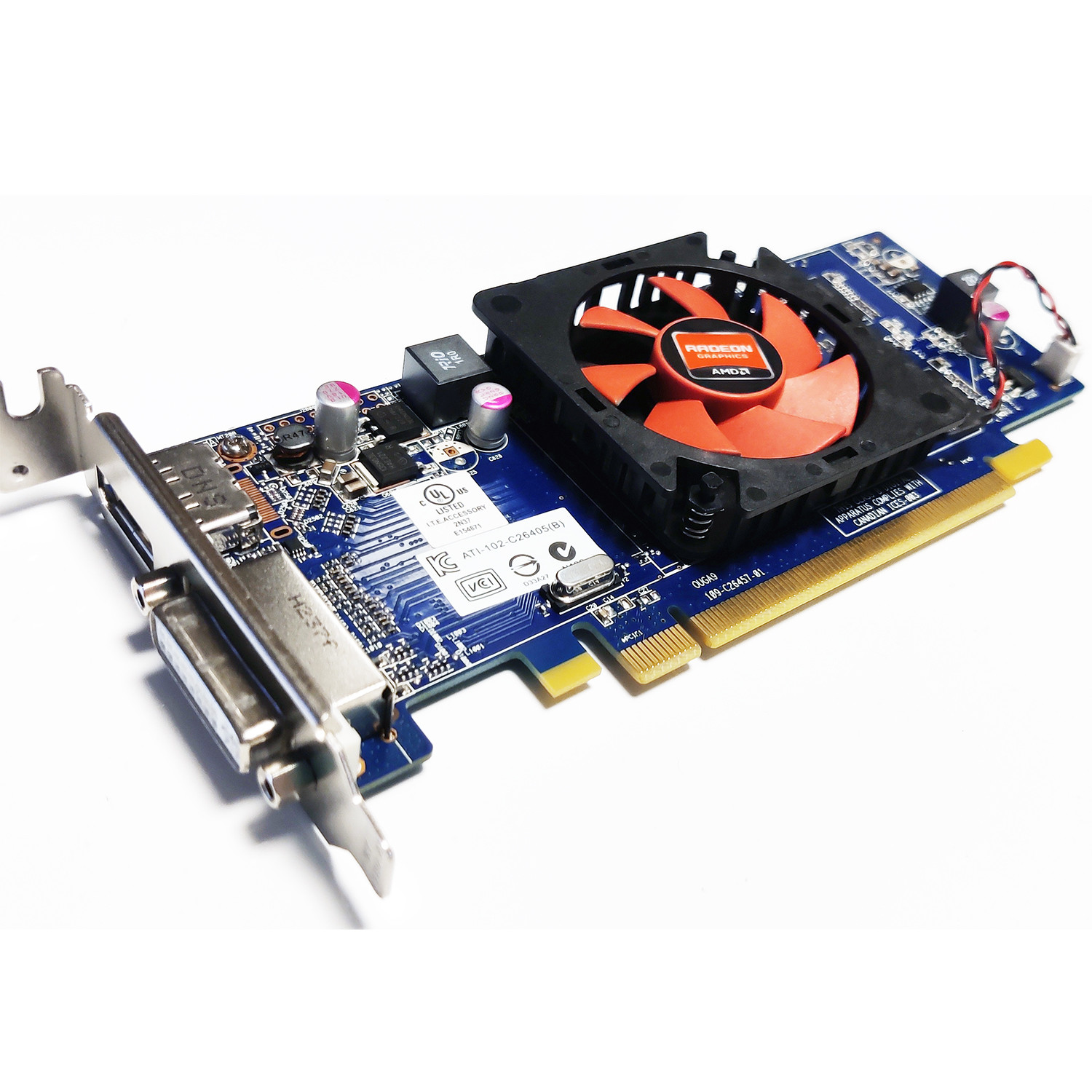 ArcadeVGA ATI 7470 on Arcade Cabinet: CRT Boot with ATOM-15 BIOS FlashRead more
Complete guide to flashing the BIOS of an ATI 7470 graphics card with ATOM-15 to get video output from boot on CRT...
-
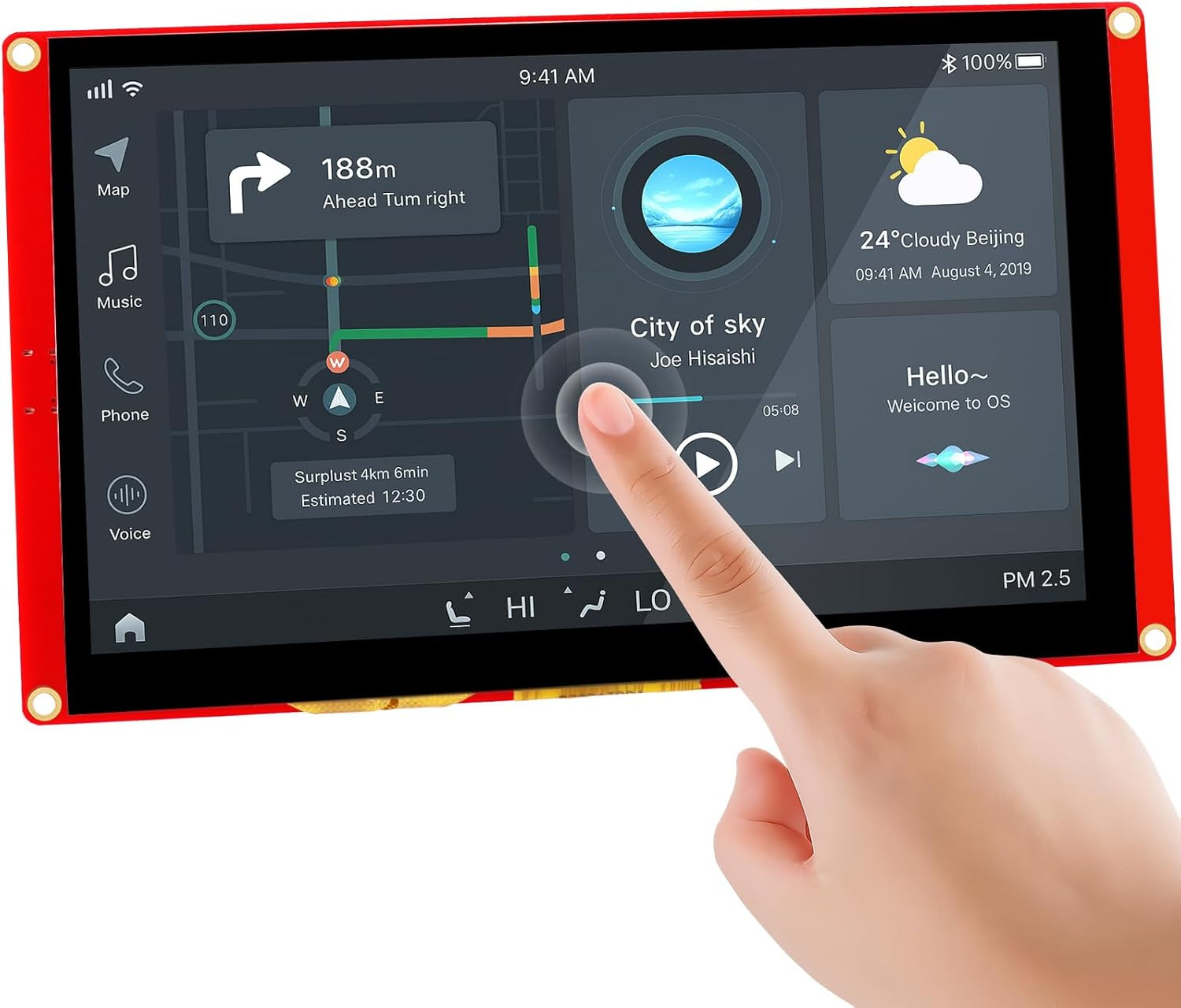 Nextion Intelligent Series: FFC GPIO Connector Pinout - Complete GuideRead more
The FFC GPIO connector on Nextion Intelligent Series displays is undocumented by Nextion. After an in-depth analysis...
-
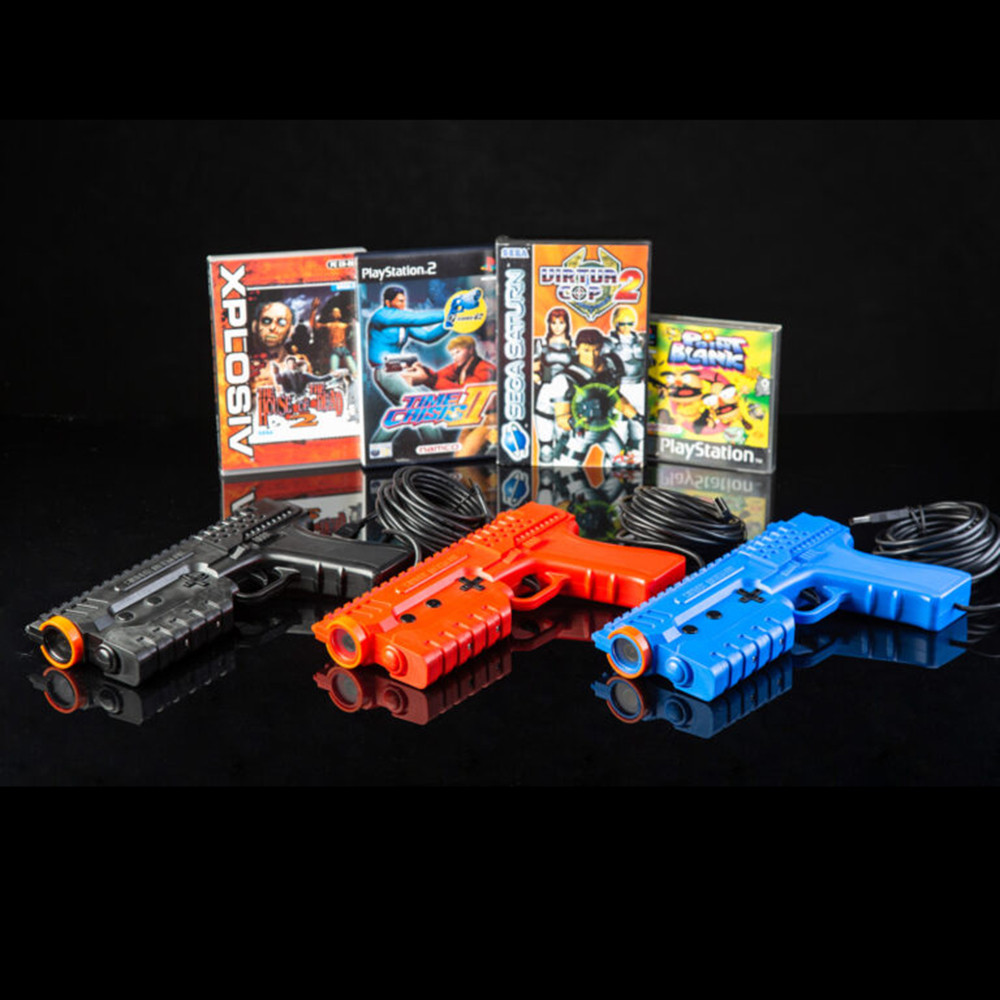 Sinden Lightgun: the arcade gun that actually works on any modern TVRead more
Ever tried using an arcade light gun on a modern TV? It doesn't work. The Sinden Lightgun solved this problem in a...
Blog categories
Search in blog
Archived posts
80s and 90s Anime Robots — The Nostalgia That Never Fades
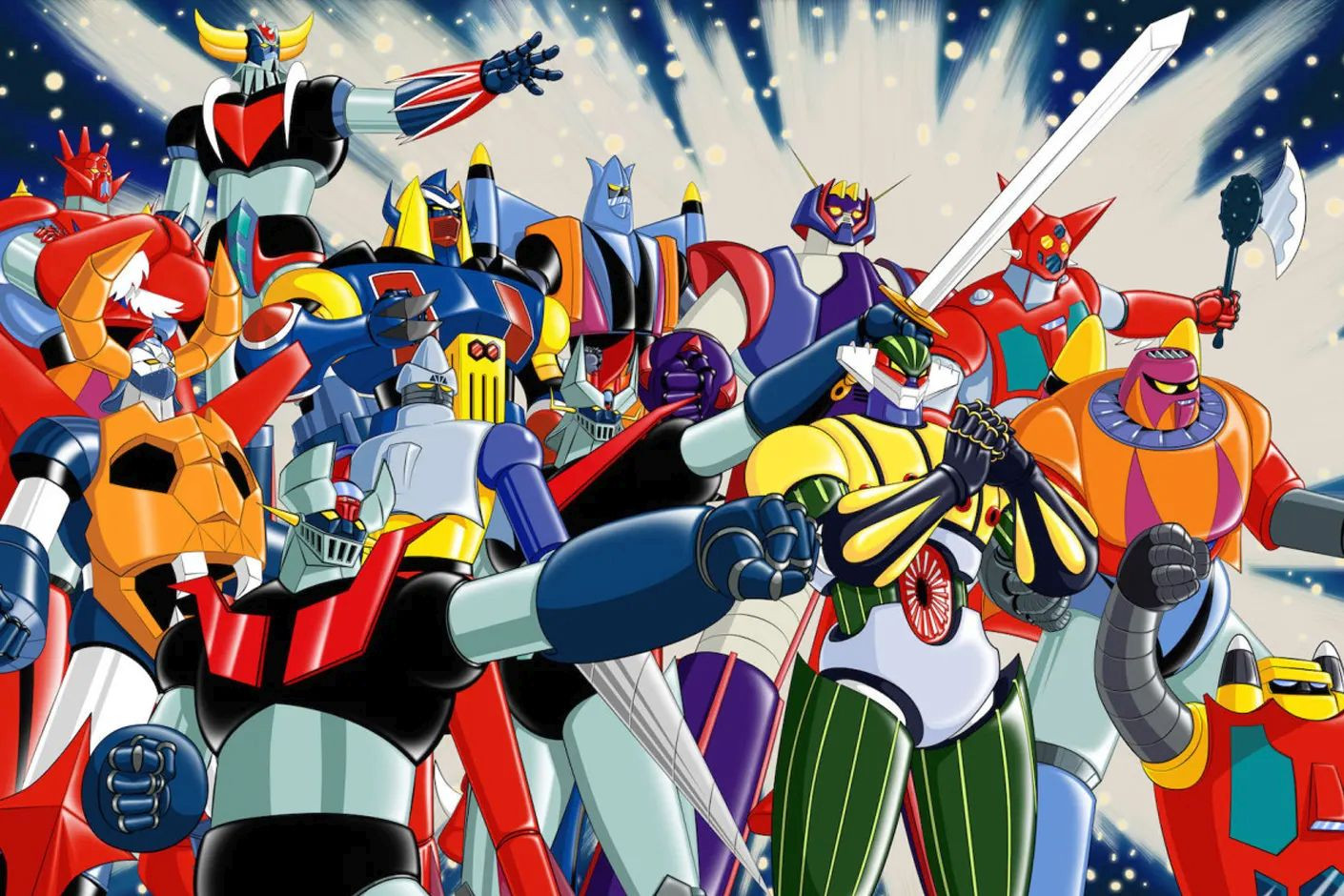
There's an entire generation that learned what it means to wait. Wait for the right time slot, wait until homework was done, wait for Saturday morning. Because at that hour — and only at that hour — Goldrake, Mazinga Z, Jeeg Robot, Captain Harlock and all the others were on.
These were the anime robots and cartoons of the 80s and 90s, and for those who experienced them as children, they never really went away. They stayed there, in memory, along with the theme songs that still come back to you without warning.
The robots that made history
Let's be honest — these weren't just cartoons. They were epics. Every episode was a matter of life and death, every robot had its own personality, every theme song was an anthem.
Here are the undisputed stars of that golden era:
- Goldrake (UFO Robot Grendizer) — the prince of Fleed and his flying saucer. The first, the most beloved, the one that opened the door for all the others in Italy.
- Mazinga Z — the robot piloted from inside, the revolutionary invention of Dr. Nagai that forever changed the Super Robot genre.
- Great Mazinger — the bigger, more powerful older brother. Tetsuya Tsurugi never joked around.
- Jeeg Robot of Steel — half man, half robot. Hiroshi Shiba literally transformed into the robot's head. Still gives you goosebumps today.
- Gaiking — the mechanical dragon with a face on its chest. Iconic.
- Daitarn III — the robot of wealthy Banjo Haran, with his villa and his team. Lighter than the others, but just as memorable.
- Gundam — the paradigm shift. No longer mythological robots, but war machines in a realistic space conflict. Science fiction was growing up.
- Gatchaman (Battle of the Planets) — five kids, a fiery phoenix, a villain with a mask. The perfect team.
And not just robots — the cartoons that made us dream
Alongside the giant robots there was a parallel universe of adventure, space and freedom:
- Captain Harlock — the space pirate, solitary and indestructible. His Arcadia crossed the cosmos like no other ship.
- Galaxy Express 999 — a train crossing the stars toward a dream. Miyuki and Tetsuro, a journey that was a metaphor for life itself.
- Lum (Urusei Yatsura) — the green-haired alien in a tiger-print bikini who made millions of kids fall in love. Urusei Yatsura in all its adorable chaos.
- Kenshiro (Fist of the North Star) — seven stars of the Big Dipper, a marked destiny, enemies who exploded. Hokuto no Ken was not for the faint of heart.
The theme songs — the real cultural heritage
Every cartoon had its theme song. And those songs were everything — they told you who the protagonist was, what their mission was, why you should root for them. In three minutes.
They were composed by real artists, sung with genuine passion, and they stayed imprinted in the collective memory of an entire generation better than anything learned at school during those years.
If you want to rediscover that magic and listen to the original theme songs of Goldrake, Mazinga, Jeeg, Harlock and all the others, we've collected everything on a dedicated fan page: RetroK Songs — the complete collection →
Bring those robots to your Raspberry Pi
If you grew up with these characters and today you have a Raspberry Pi for retrogaming — Batocera, RetroPie or any other system — there's a way to combine the two things that makes perfect sense.
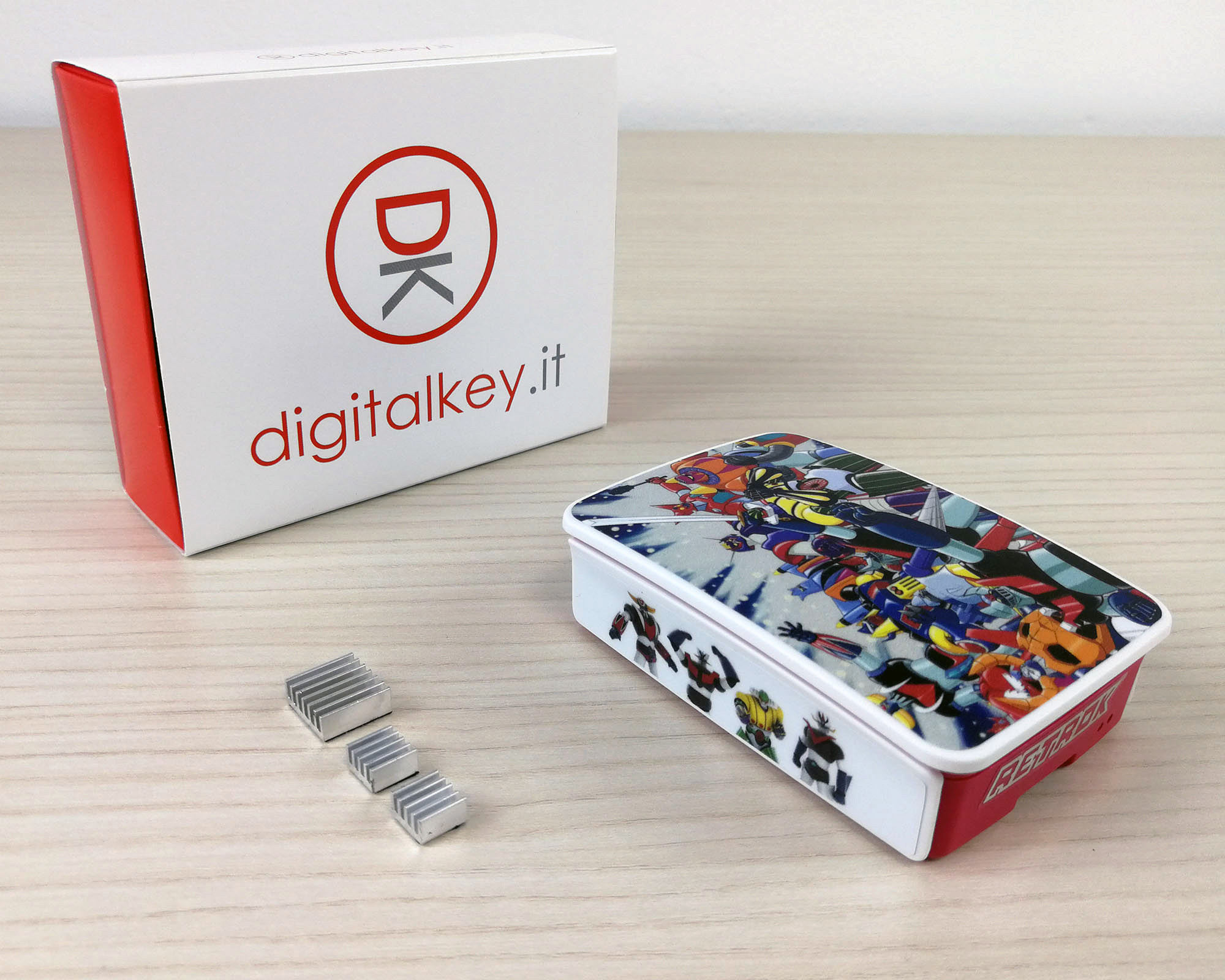
RetroK stickers are high-quality adhesives designed specifically for Raspberry Pi cases, featuring the characters that made the history of Japanese animation and beyond. Goldrake, Mazinga, Jeeg, Kenshiro, Lum — but also Darth Vader, Pac-Man, Street Fighter's Ryu, and many more.
The result is a case that's not just a container for a mini-computer, but an object that says something about you — your tastes, your childhood, what made you who you are.
Browse all RetroK stickers for your Raspberry Pi case.
Go to the full collection on Digitalkey.it →
How to apply RetroK stickers
RetroK stickers were designed for Raspberry Pi cases, but their shape and size make them perfect for customising other objects too — laptops, handheld consoles, cases, flight cases, or any smooth surface where you want to add a bit of personality.
Applying a RetroK sticker is really simple — the surface of a Raspberry Pi case is smooth and flat, perfect for adhesives. A few tips:
- Clean the case surface with a dry cloth before applying the sticker.
- Position the sticker without pressing, check the alignment, then apply with even pressure from the center outward.
- Avoid air bubbles by using a rigid edge (like a credit card) to smooth it down properly.
- RetroK stickers are durable and leave no residue when removed.
Need a case too?
Browse all Raspberry Pi cases on Digitalkey.it →
Who was your favourite robot as a kid? Let us know — we're curious whether the Goldrake fanbase still beats the Mazinga one.
Posted in:
Retrogaming
Related posts
-
Sinden Lightgun: the arcade gun that actually works on any modern TV
Ever tried using an arcade light gun on a modern TV? It doesn't work. The Sinden Lightgun solved this problem in a...Read more
-
microSD Backup and Restore for Raspberry Pi — Batocera and RetroPie
Running Batocera or RetroPie on your Raspberry Pi and want to protect your setup? Creating a microSD backup is simple...Read more
Leave a comment